
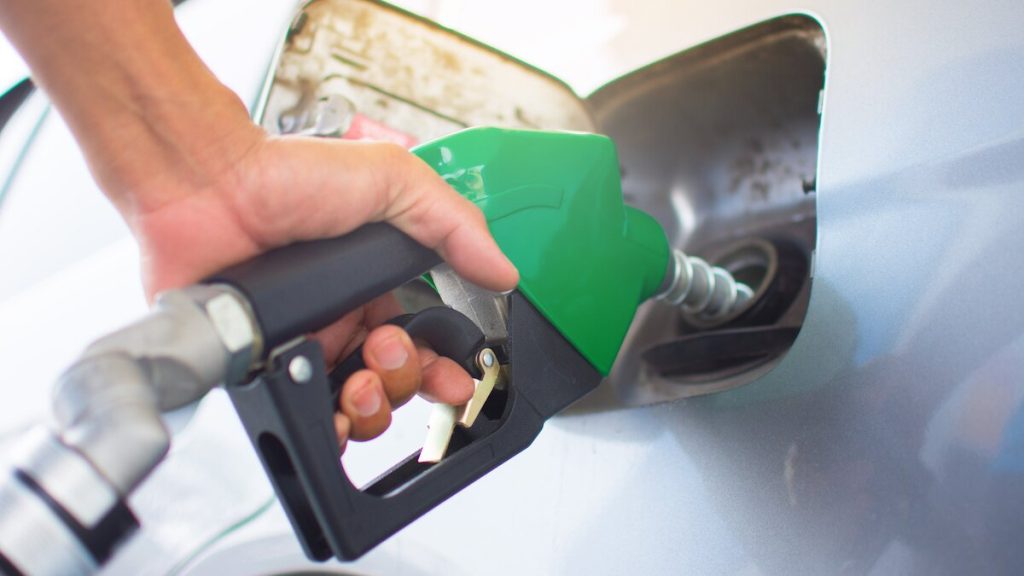
With the on-going political tensions in the Middle East, oil-based fuel prices keep climbing, and businesses worldwide are experiencing the effects of such, disrupting the majority of their operations. The continually-increasing diesel and gas prices are making their silent inroads in one vital area of business production – one that is not given much thought by most – and that is product packaging. In this article, we will discuss how rising fuel prices impact businesses, and what can businesses do to minimize its effects on their operations.
How Rising Costs Impact Businesses
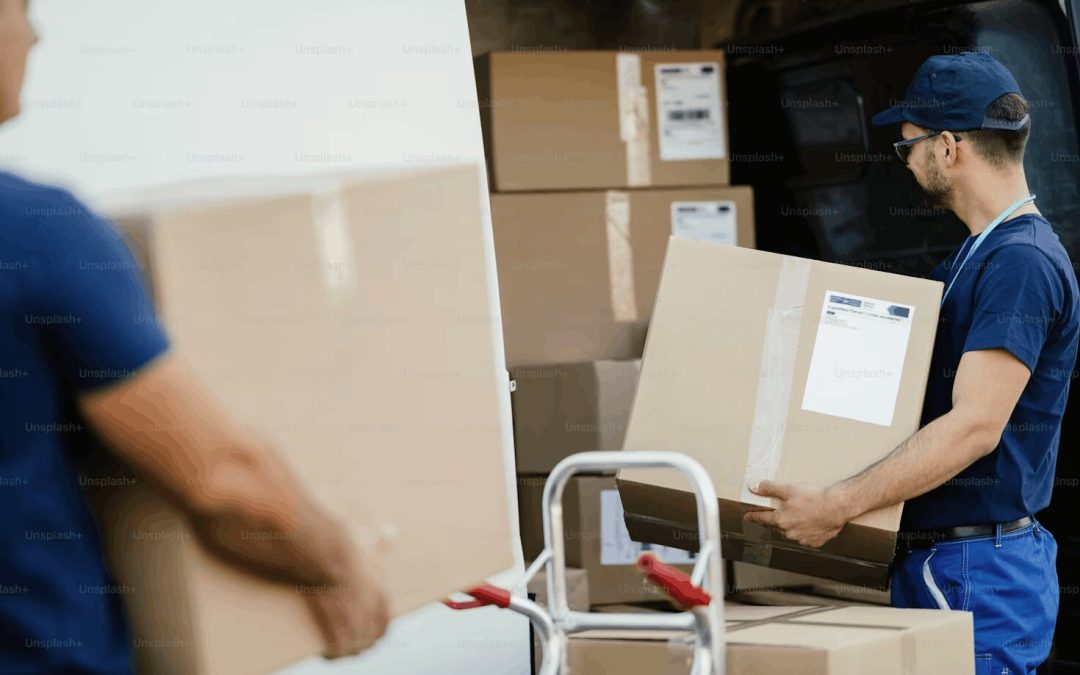
At first glance, fuel prices and packaging do not appear to be related. However, in reality, they are closely related as higher fuel costs affect delivery costs in every part of the business process such as:
- the delivery of the raw materials used to make packaging
- the delivery of the packaging to your business, and finally,
- the delivery of the final products to your customers.
To top it off, several raw materials used in packaging such as plastics, coatings, and adhesives are made out of petroleum, a chemical derived from oil. The cost of fuel prices have a direct effect on the cost of the aforementioned materials.
These minor inefficiencies, when accumulated, can negatively affect the bottom line – an increase in fuel costs would mean an increase both on business operating expenses as well as selling cost of almost all products or services. In a price-sensitive country such as the Philippines, people would be forced to spend more on necessities and spend less on leisure and entertainment, negatively affecting said industries. While it is more logical for people to spend on necessities, the lack of additional spending for other things will result in a worse quality of life for the masses. Overall, it will just be a no-win situation across all boards.
To maintain product cost amidst uncertainty, businesses may need to opt for cost-cutting, and one way they can cost-cut is considering their product packaging as well as the packaging used to deliver their products.
Tailor your packaging to the right size
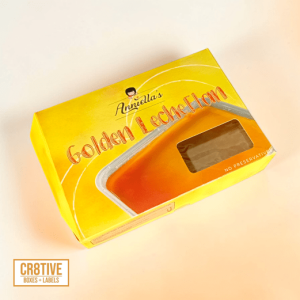
One of the most effective and simple methods of cutting costs is to use packaging that will fit the final product like a glove. Opting to use boxes larger than necessary would usually lead to the use of more packaging fillers and an increase in the product dimensions. As a result, the shipping costs may become more expensive because most of the couriers utilize both size and weight in determining the final shipping cost.
Overall, tailoring your packaging to the right size will help in reducing the amount of wasted space as well as the total volume of each delivery. This will enable more products to be delivered with one delivery, which will enhance efficiency and reduce the transportation costs in the long run.

Tailor your packaging using the right materials
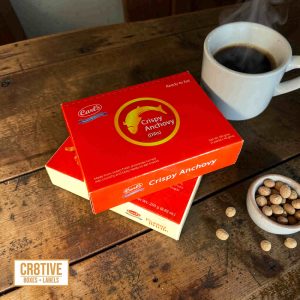
Another thing to consider is knowing what your packaging should be made of. The use of bulky and heavy packaging materials, such as glass, wood, rigid carton and thick corrugated carton, may create unnecessary costs. In small quantities, these materials are pretty light, but the rise in fuel costs would mean it is more practical to have products be shipped in bulk, making the bulkiness and heaviness of these materials apparent.
Lightweight materials such as light carton, aluminum, styrofoam and carton-based bubble wraps may give the security your product requires without the additional mass. By making the switch, one can easily see a huge difference in shipping costs, especially when one frequently ships out large quantities of goods.
While it goes without saying that the majority of the heavyweight materials are more durable than the lightweight ones, this is where brainstorming comes into the equation. As one business does not sell the exact same product as the other, this is where they have to find the middle ground between keeping their packaging light whilst keeping it durable.
When one finally finds the best materials for their packaging, they can minimize the amount of fuel used in the transportation process, and at the same time, the products will arrive in safe and good condition. In the long run, a little weight reduction in product packaging can lead to big business savings.
Tailor your packaging to the right design
Whilst considering the right size and right materials for their packaging, another to think about is finding the right packaging layout, which is defined as the packaging design that helps your business utilize as much space in delivery vehicles and storage facilities as possible. While fancier packaging designs look more eye-catching, it may not be the most practical as they are more prone to damage during transit. This translates to higher returns and replacements and further deliveries- all of which require more fuel and thereby affecting business operating costs.
By creating a packaging layout that maximizes storage space, more products can be delivered in each shipment, possibly reducing the number of trips taken. Reduced journeys result in reduced fuel expenses and enhanced general logistics effectiveness. This is particularly significant in those businesses that deal with high delivery volumes.

Future-proof your packaging!
Companies who continually adapt and actively find ways to cost-cut (without sacrificing quality) will be in a better position to manage the changes. By considering the abovementioned ways to cost-cutting packaging, businesses will be able to preserve a more concentrated profit margin and at the same time produce quality products that their customers will receive.